Mongla: An Exception or Example?
The port city of Mongla in Bangladesh has emerged as an impressive example of urban adaptation to internal migration. Over the past decade, Mongla’s population has grown from a modest 40,000 to approximately 150,000, with most new residents being low-income climate migrants (The Daily Star, 2022). This article examines the rise of Mongla and its broader implications.
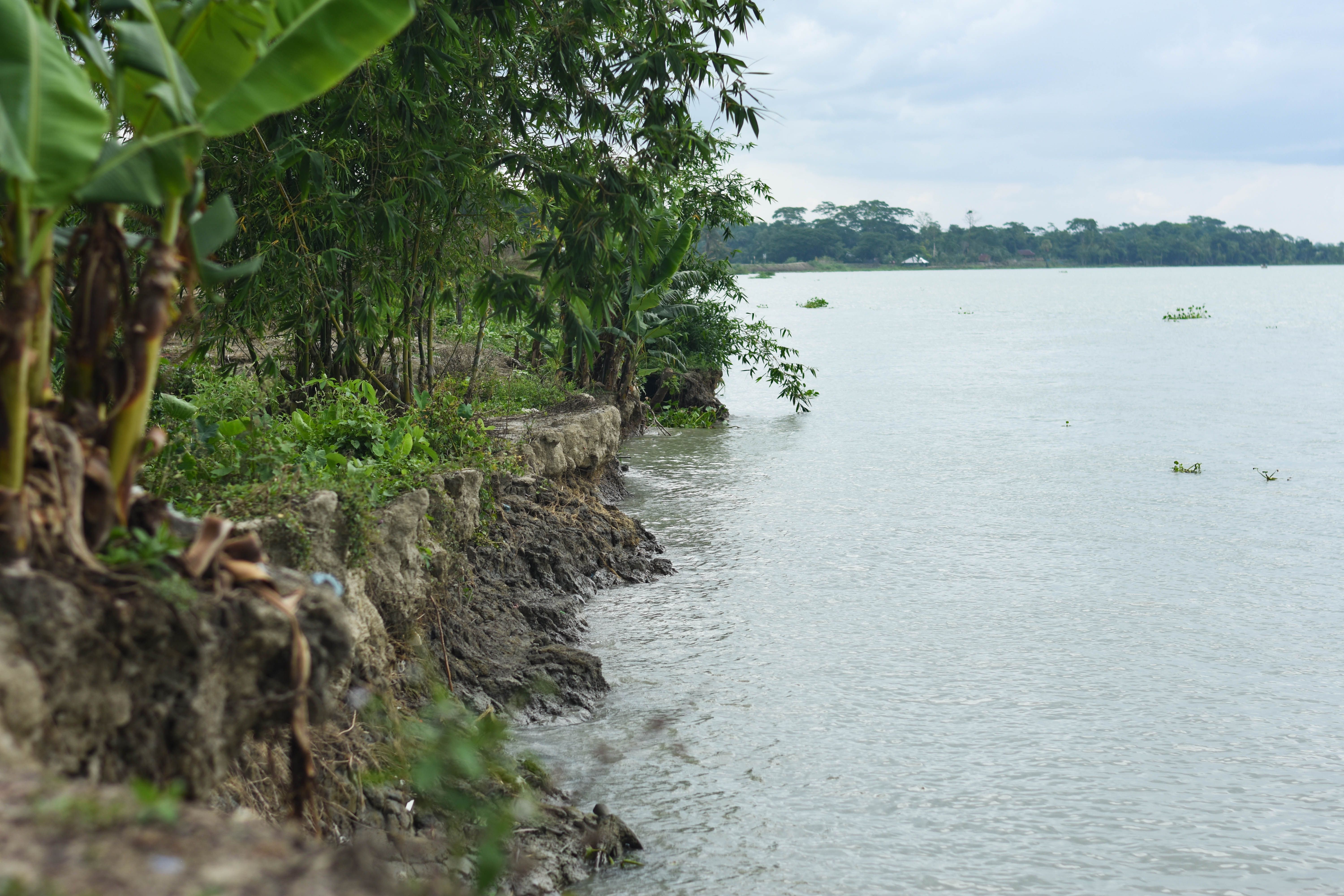
In discussions of human displacement, Bangladesh has received significant global attention in recent years due to the ongoing Rohingya crisis. While this crisis undoubtedly warrants such attention, it should not overshadow the country’s simultaneous struggle with large-scale internal climate migration. Owing to its geographical characteristics, Bangladesh has long been vulnerable to a range of natural hazards. However, climate change has accelerated both the frequency and intensity of these events, forcing unprecedented numbers of marginalized rural populations from coastal and riverine areas to abandon their homes.
Compounding this issue is the insufficient support provided by foreign aid agencies to support developing countries cope with climate change impacts (United States Government Accountability Office, 2019). In Bangladesh, rising trends in riverbank erosion, embankment collapse, salinity intrusion, flooding, droughts, and landslides have collectively displaced millions, many of whom have limited options for resettlement. The Internal Displacement Monitoring Center (IDMC) recorded a total of 772,033 internally displaced persons (IDPs) as of December 2020, nearly half of whom were displaced by climate-related events (Internal Displacement Monitoring Center, 2021). Projections suggest that this number could reach as high as 19 million by 2050, according to reports from the Intergovernmental Panel on Climate Change.
Bangladesh’s capital, Dhaka, has recently gained notoriety as one of the world’s least livable cities due to extreme population density, environmental pollution, and related challenges (Molla & Habib, 2022). With a density of approximately 47,500 people per square kilometer and a total population exceeding 22 million, the city is under immense strain. Around one-third of its residents live in informal settlements lacking basic infrastructure such as electricity, gas, and running water (Bangladesh Bureau of Statistics, 2014).
Despite these conditions, migrants continue to flock to Dhaka due to its reputation as the country’s economic hub. Each year, approximately 700,000 new residents arrive, including around 400,000 low-income migrants and internally displaced persons. Most settle in informal settlements on the city’s periphery. The International Organization for Migration estimates that nearly 70% of Dhaka’s slum dwellers relocated due to environmental risks. Living conditions in these settlements are extremely poor. Overcrowding, inadequate sanitation, malnutrition, and limited access to essential goods and services significantly diminish quality of life compared to migrants’ previous homes. Child mortality rates in these areas are reportedly twice the national average. Moreover, local authorities often treat slum residents as illegal squatters, excluding them from development initiatives and denying them access to essential public services such as electricity, water, and gas (McDonnell, 2019).
Taken together, these factors have turned Dhaka into a cautionary tale for megacities worldwide. The city is straining under the weight of its population: natural resources are being depleted, the cost of living continues to rise, and environmental degradation is increasingly affecting public health.
Decentralization has been widely proposed by experts as a viable long-term solution. This is where the port city of Mongla becomes particularly relevant. In recent years, Mongla’s export processing zone (EPZ) has experienced substantial growth, attracting nearly double the previous levels of foreign investment. This expansion has generated numerous blue-collar employment opportunities, enabling the city to accommodate internally displaced persons from across the country.
Rather than viewing migrants as a burden, Mongla has leveraged this influx as an opportunity, creating a mutually beneficial dynamic in which migrants can rebuild their lives while contributing to the local economy (Ahmed & Choat, 2022). In addition to job creation, the city has undertaken several development initiatives to enhance safety and quality of life. A new freshwater treatment and distribution system now provides running water to 50% of households, up from 33%. Infrastructure improvements include two flood control gates, an 11-kilometer embankment, and a marine drive designed to mitigate the impacts of seasonal flooding and cyclones. Smaller-scale projects such as brick pathways, tree planting, and the installation of security cameras have further improved living conditions (McDonnell, 2019).
The strategy behind Mongla’s rapid transformation was developed by the International Centre for Climate Change and Development (ICCCAD) under the framework of “transformative adaptation.” This approach aims to alleviate pressure on Dhaka by redirecting migrants to smaller urban centers with greater capacity for expansion. In an interview, Dr. Saleemul Huq, director of the Dhaka-based ICCCAD, described Mongla as a success story and expressed hopes of replicating this model in approximately two dozen similar towns, each capable of accommodating around 500,000 migrants. He noted that discussions with mayors and municipal officials are already underway. If successful, this initiative could provide housing for an estimated 10 million internally displaced persons within the next decade (Ahmed & Choat, 2022).
Looking ahead, Mongla’s growth prospects remain strong. Officials are exploring additional domestic and foreign investments, with the potential establishment of ten new factories expected to generate thousands of jobs. The current mayor, Sheikh Abdur Rahman, has also outlined ongoing projects, including dredging the Mongla River to accommodate larger vessels and constructing a rail link to connect the city with an economic hub across the Indian border (The Daily Star, 2022).
Bangladesh is often regarded as a global leader in disaster management, and Mongla exemplifies this reputation. The resilience and adaptability of its people have enabled the country to endure many of the challenges posed by climate change. International technical, financial, and logistical support has also played a vital role. Nevertheless, a critical question remains: how long can Bangladesh sustain this progress as environmental conditions continue to deteriorate and the targets set by the Paris Agreement appear increasingly difficult to achieve?
References
Ahmed, K., & Choat, I. (2022, January 24). Port in a storm: the trailblazing town welcoming climate refugees in Bangladesh. The Guardian. Retrieved from https://www.theguardian.com/global-development/2022/jan/24/port-in-a-storm-the-trailblazing-town-welcoming-climate-refugees-in-bangladesh
Bangladesh Bureau of Statistics. (2014). Census of Slum Areas and Floating Population 2014. Dhaka, Bangladesh: Bangladesh Bureau of Statistics.
Internal Displacement Monitoring Center. (2021). Global Report on Internal Displacement 2021. Internal Displacement Monitoring Center.
McDonnell, T. (2019, January 24). Climate change creates a new migration crisis for Bangladesh. Retrieved from www.nationalgeographic.com: https://www.nationalgeographic.com/environment/article/climate-change-drives-migration-crisis-in-bangladesh-from-dhaka-sundabans
Molla, M. A.-M., & Habib, W. B. (2022, March 31). Unlivable? Why is Dhaka such a mess? The Daily Star.
The Daily Star. (2022, March 30). ‘Climate-resilient’ Mongla offers new life to thousands of internally displaced. The Daily Star. Retrieved from https://www.thedailystar.net/environment/climate-change/news/climate-resilient-mongla-offers-new-life-thousands-internally-displaced-2994001
United States Government Accountability Office. (2019). Climate Change Activities of Selected Agencies to Address Potential Impact on Global Migration. United States Government Accountability Office.
Fahmid Mohtasin is serving as the Research Officer for the COLOCAL Project at Independent University Bangladesh