Workshop on Academic and Non-Academic Publishing by ICCCAD-IUB
The COLOCAL project at ICCCAD-IUB organised an event titled “From Thesis to Publications: A Workshop on Academic and Non-Academic Writing Pathways” on 17 May 2026 at the DMK Lecture Gallery, Independent University Bangladesh. The workshop was arranged as part of COLOCAL’s continuous education and training activities aiming to support students and professionals in transforming their research into publishable outputs for both academic and wider public audiences.
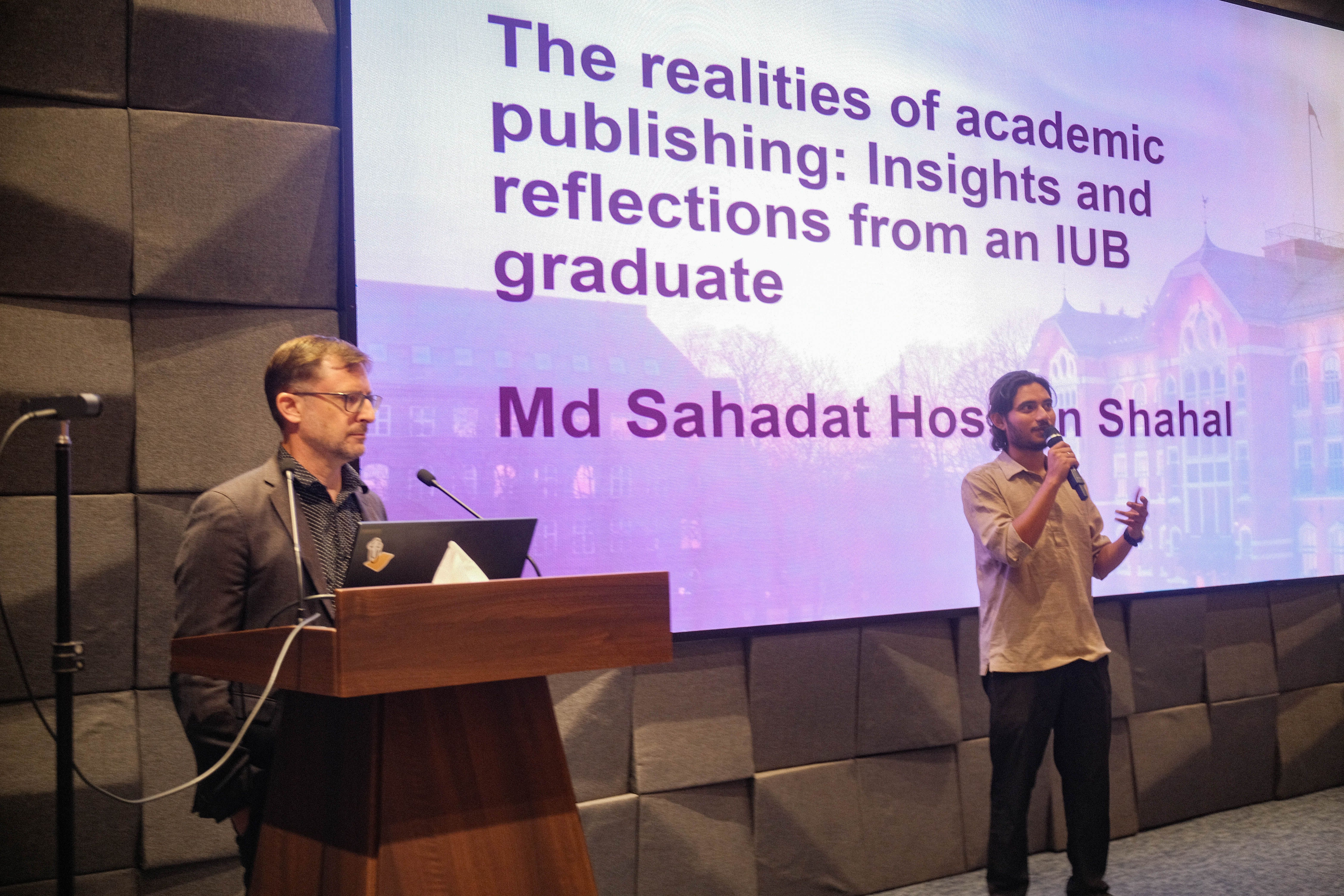
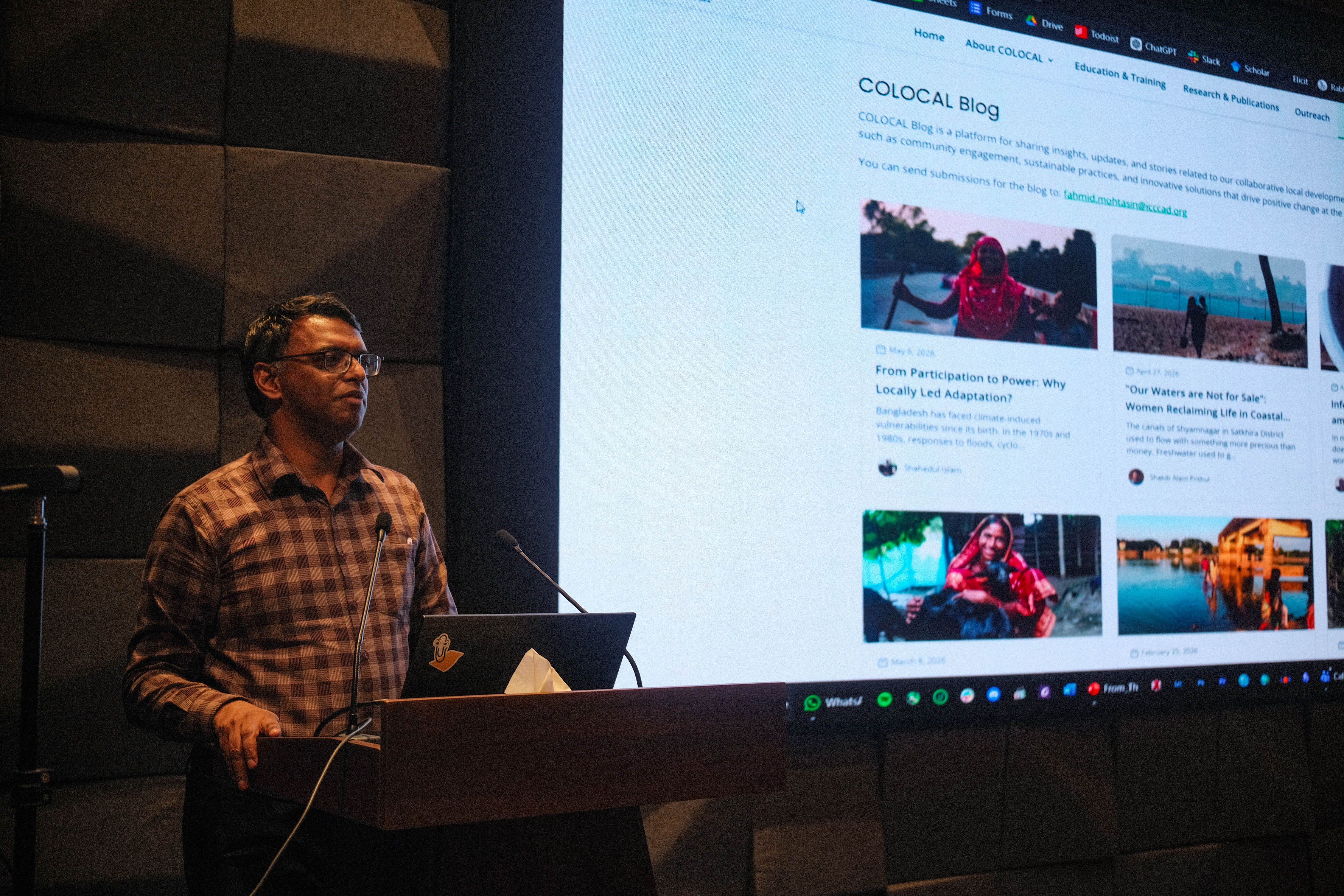
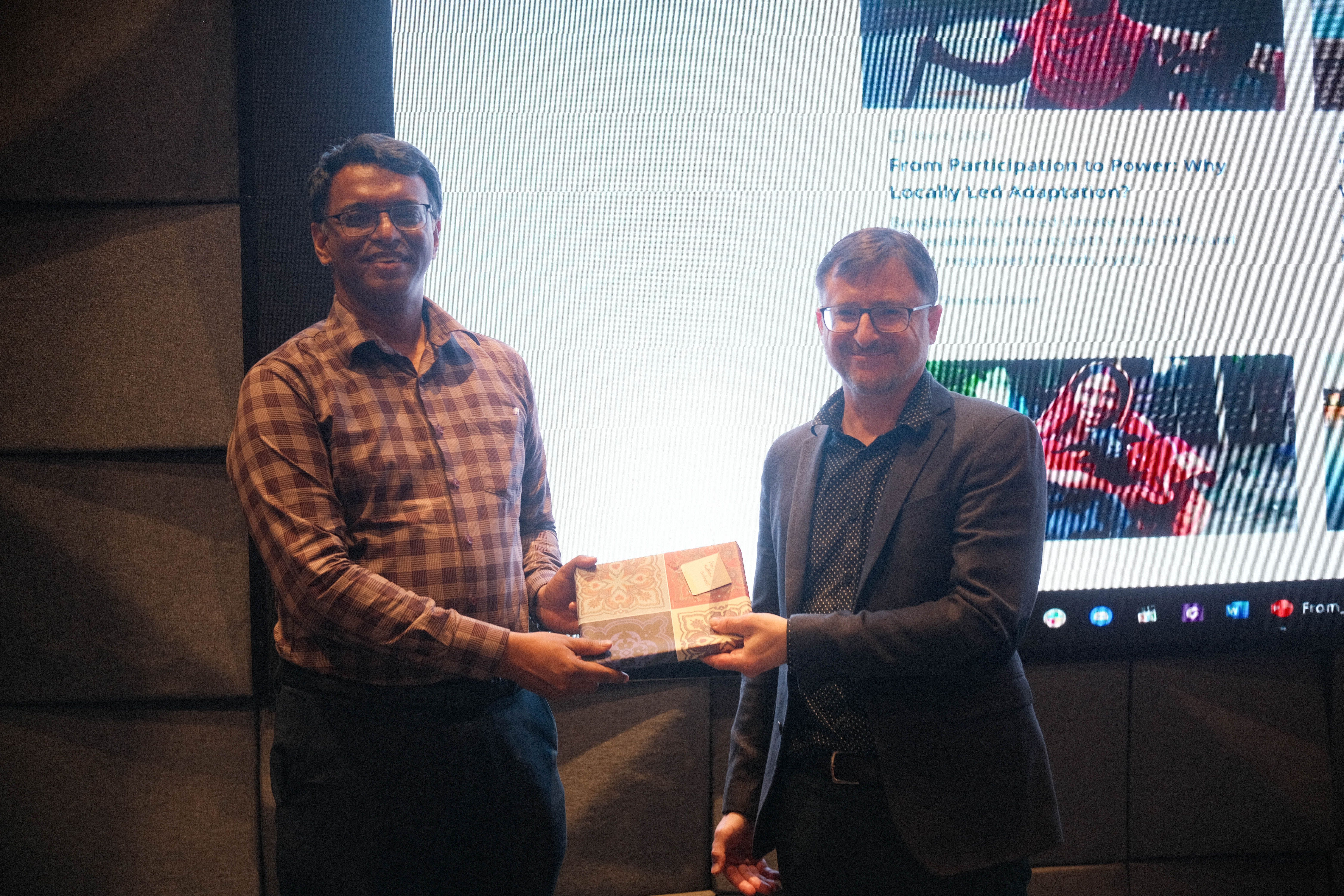
The event began with opening remarks from Fahmid Mohtasin, Research Officer of the COLOCAL Project, who welcomed the participants and briefly introduced the project and the event. Then the first session, conducted by Dr. Matthew Cashmore, Professor at the Norwegian University of Life Sciences, focused on academic writing. His session was divided into two parts: the first part focused on preparing for a publication, where he discussed how students can begin converting thesis-based research into journal articles by identifying a clear contribution, developing a logical article structure, and choosing a suitable journal. He explained that a good article should clearly present its aims and main claims, show novelty or relevance, and support its arguments with evidence. He also discussed different types of academic publications, the IMRAD structure, journal aims and scope, journal metrics, publication timelines, open access, and the importance of being both ambitious and realistic when selecting journals.
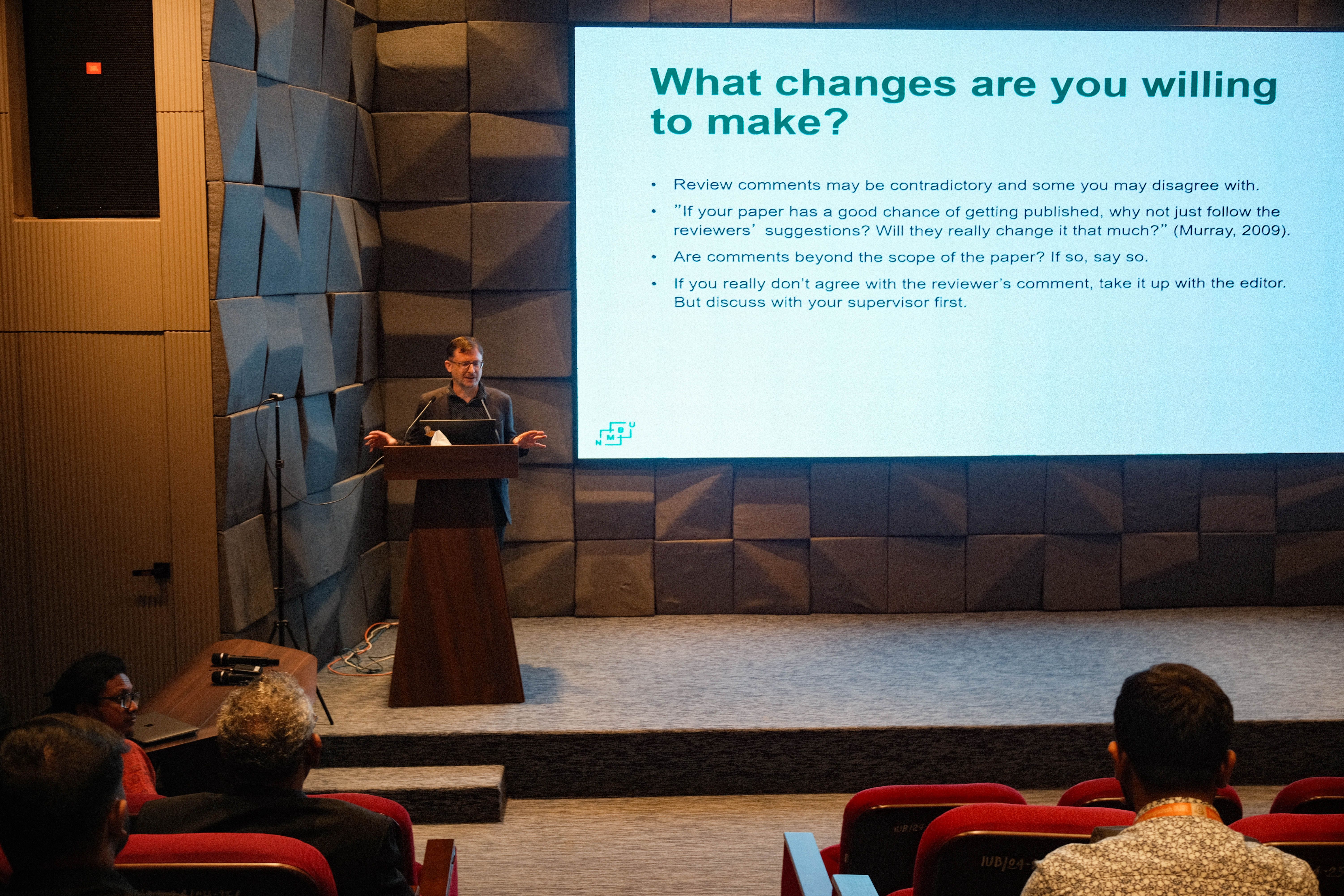
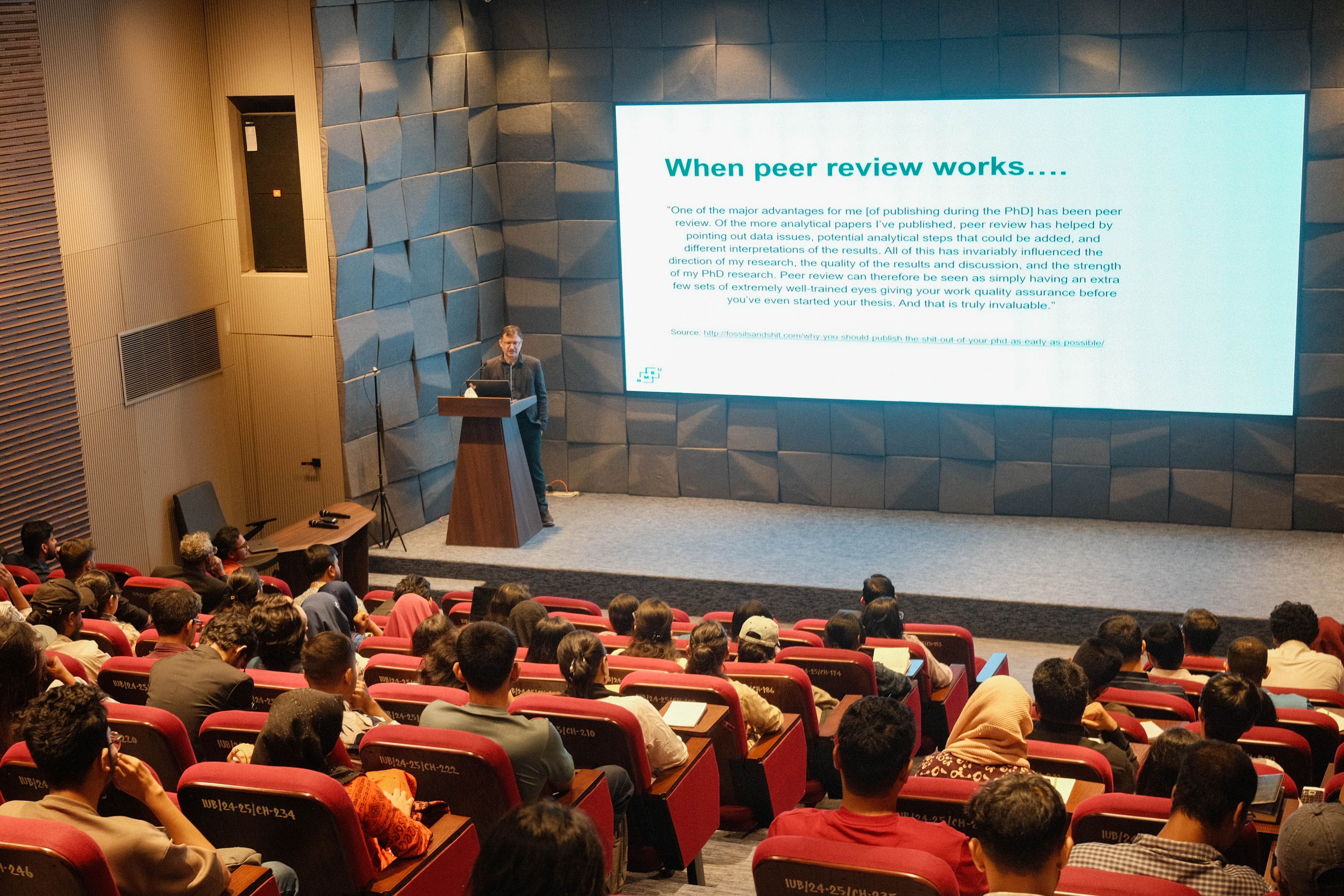
The second part of Dr. Cashmore’s session focused on peer review and the publication process. The session covered how editors and reviewers assess submissions, why papers are often rejected, and how authors can respond to reviewer comments. He encouraged participants to have a tough skin while publishing and treat feedback analytically rather than emotionally. He also discussed the responsible use of AI in academic publishing. The session concluded by reminding participants to celebrate publication achievements and communicate their work more widely.
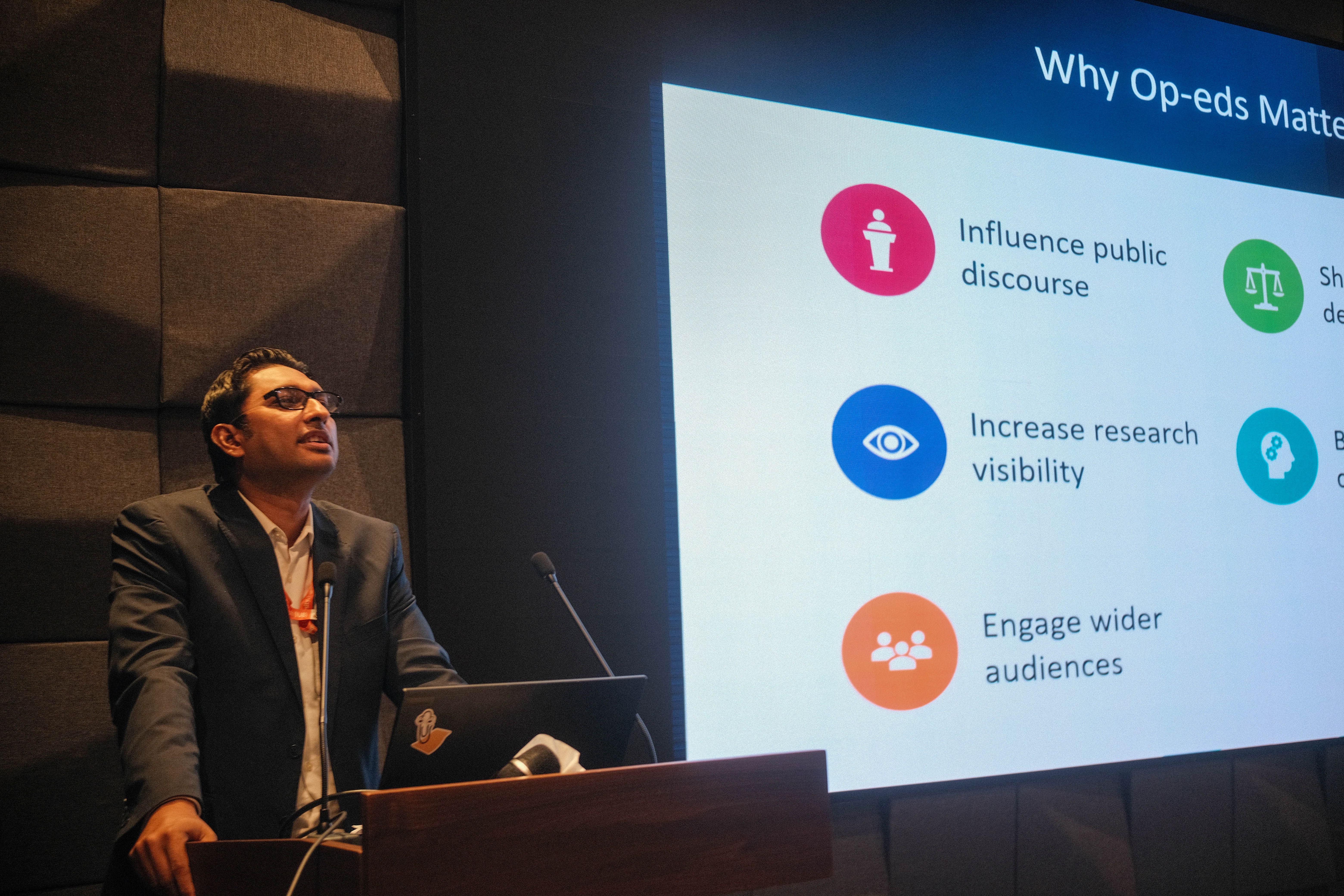
The second session focused on non-academic writing and was conducted by Md. Ohidujjaman, Senior Lecturer in the Department of Global Studies and Governance at IUB. His session discussed how to write op-eds, blogs, and other forms of public-facing writing. He explained that many theses work remain confined within academia because academic language often is not suitable for wider audiences. He highlighted the importance of writing with one clear argument, using simple and accessible language, connecting research findings with current issues, and making research relevant to public life. The session also covered how to write strong headlines, develop engaging openings, use evidence carefully, avoid unnecessary jargon, and maintain ethical responsibility while communicating research to the public.
K Ayaz Rabbani, PhD, Associate Professor at Independent University, Bangladesh, delivered the closing remarks for the workshop by thanking the speakers and participants for their active engagement and welcomed further discussions with students and researchers interested in COLOCAL’s work.
IUB News Link:
https://iub.ac.bd/news-and-events/news-archive/2026-May/6a12d0397a357805f216f144